
What Are Dental Sealants?
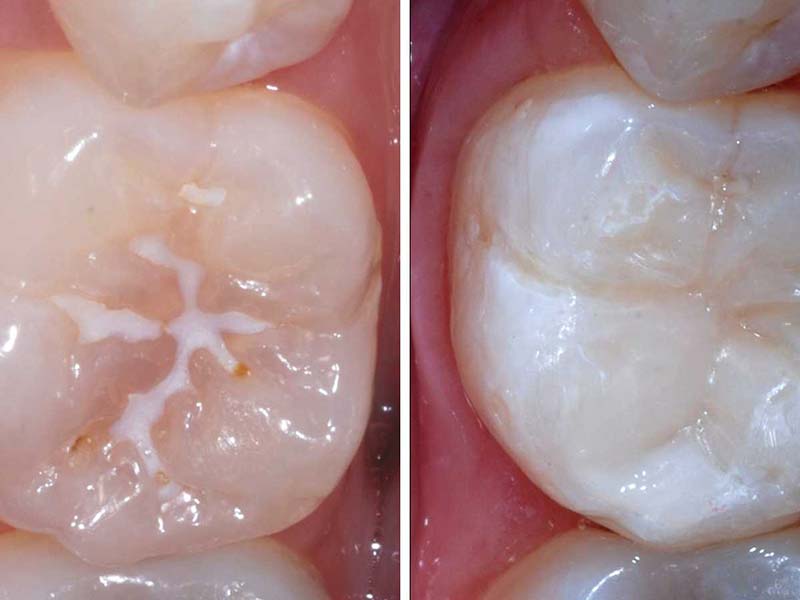
A dental sealant is a thin, plastic coating painted on the chewing surfaces of teeth. It is usually placed on the back teeth (the premolars and molars). These teeth have rough, uneven surfaces with small depressions called pits and fissures. Because toothbrush bristles can’t always reach into these tiny crevices, leftover food and bacteria can easily get stuck, which may lead to decay.
The sealant quickly forms a protective shield over the enamel of each tooth. By “sealing out” food and plaque, sealants significantly reduce the risk of cavities in these decay-prone areas.
Who Should Get Sealants?
While sealants are most commonly associated with children and teenagers, they can benefit adults as well.
Children and Teenagers
The earlier you get sealants, the better. The Centers for Disease Control and Prevention (CDC) states that school-age children without sealants have almost three times more cavities than children with sealants. Dental professionals usually recommend applying them as soon as the permanent molars come in.
- First Molars: Typically appear around age 6.
- Second Molars: Typically appear around age 12.
Sealing these teeth as soon as they appear can keep them cavity-free from the start, saving time and money on fillings down the road.
Adults
Sealants can also be beneficial for adults without decay or fillings in their molars. If your teeth have deep grooves or depressions, sealants might be a good preventive option for you.
The Application Process: Quick and Painless
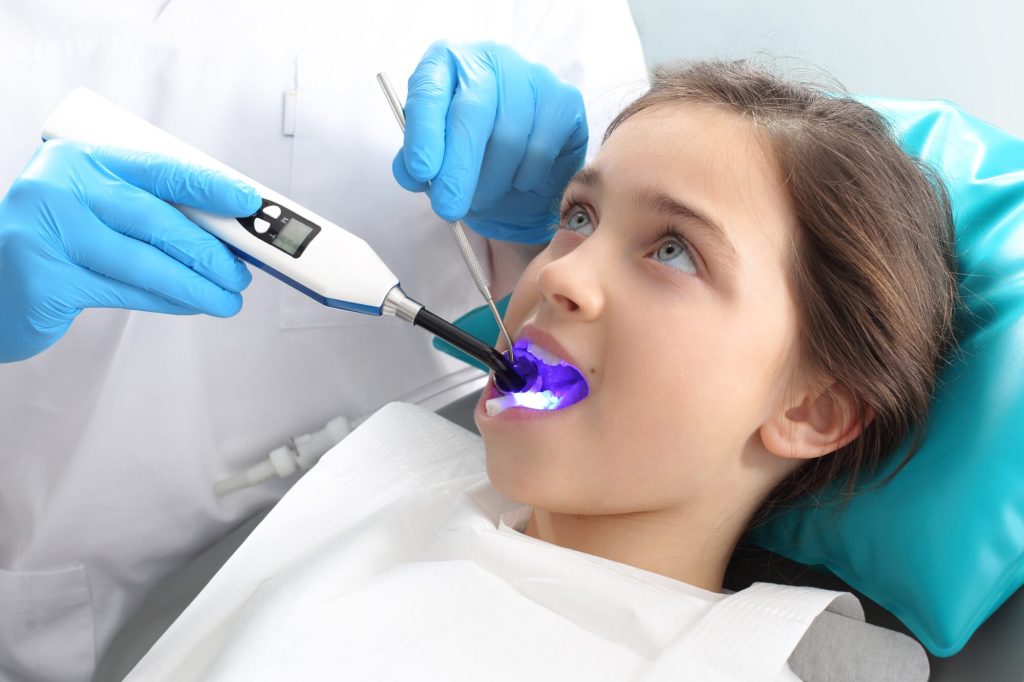
The application process is incredibly simple and completely painless. No drilling or numbing agents are required. Here is what typically happens during a visit:
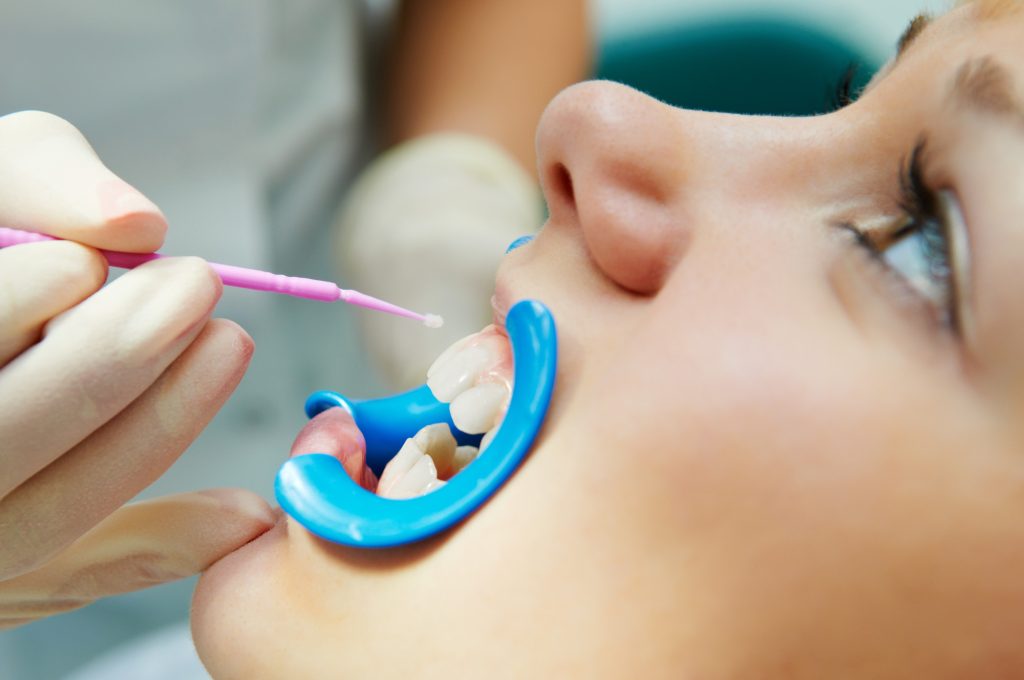
- Cleaning: To remove any plaque or food debris, the teeth to be sealed are thoroughly cleaned.
- Drying: Cotton or another absorbent material is placed around each tooth to keep it dry.
- Etching: An acid solution is put on the chewing surfaces of the teeth to roughen them up, which helps the sealant bond to the teeth.
- Rinsing and Drying: The teeth are rinsed and dried again.
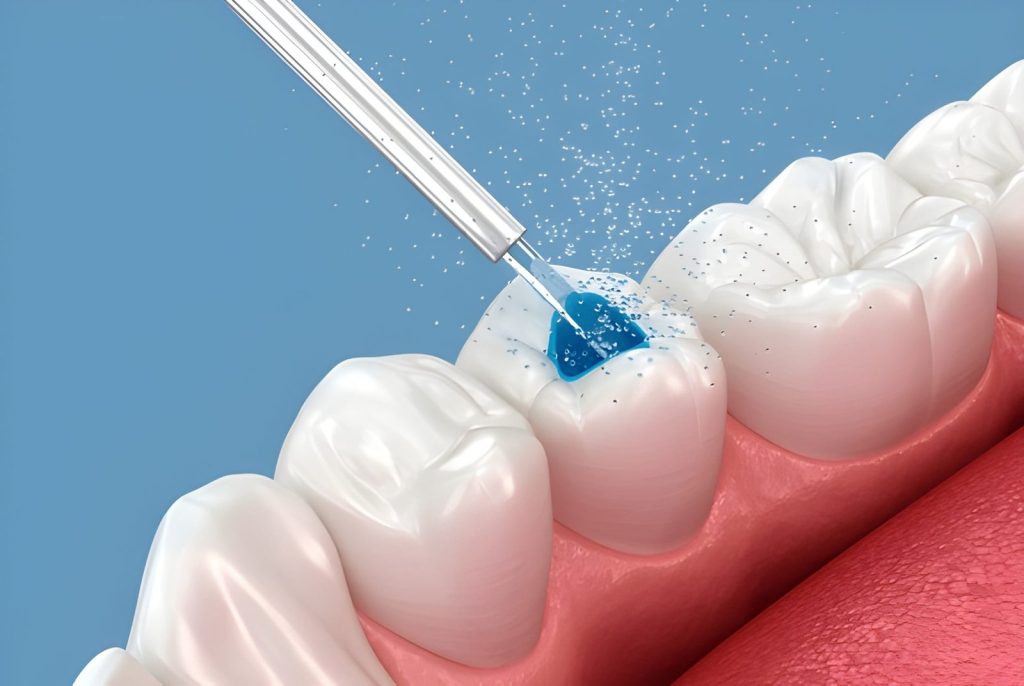
- Painting: The sealant is painted onto the tooth enamel, where it bonds directly to the tooth and hardens. Sometimes a special curing light is used to help the sealant harden faster.
The entire process usually takes only a few minutes per tooth.
How Long Do They Last?
Sealants can protect teeth from decay for up to 10 years, but they need to be checked for chipping or wearing at regular dental checkups. Sealants can be replaced if necessary.
It is important to remember that while sealants are durable, they aren’t invincible. Chewing on ice, hard candy, or sticky foods can wear them down faster. Maintaining good oral hygiene habits is still important to ensure the rest of the tooth remains healthy.
Are Dental Sealants Safe?
Yes, dental sealants are safe and effective. Some parents worry about BPA (bisphenol A) in sealants. While some sealants may contain small amounts of BPA, the risk is extremely low—far less than what a person is getting to from breathing air or handling cosmetic products. The American Dental Association (ADA) confirms that the benefits of sealants far exceed any potential risks.
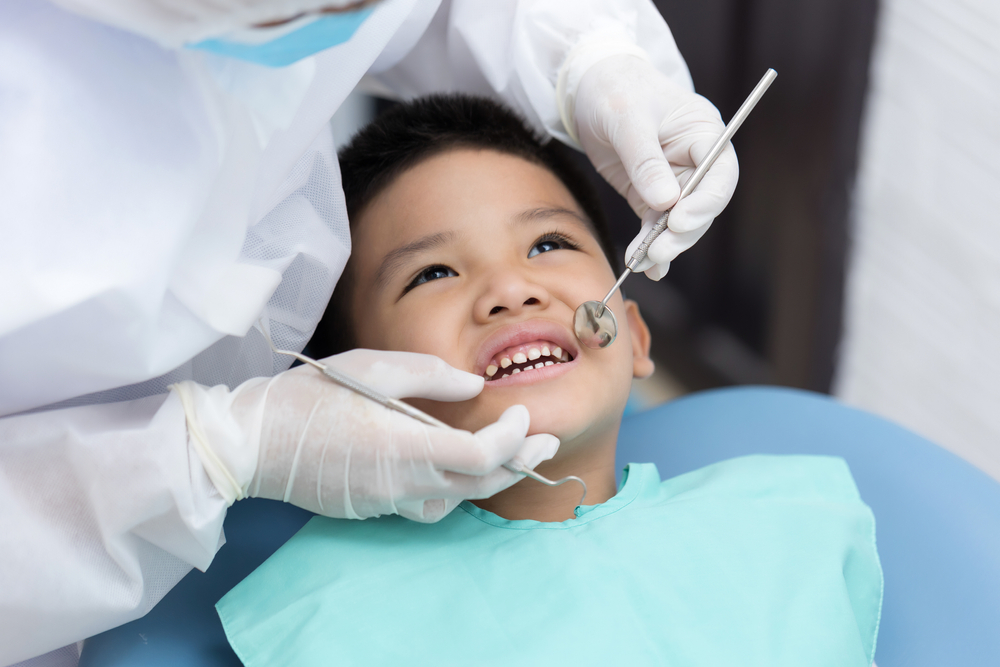
Protecting Your Smile for the Long Term
Dental sealants are a proven, cost-effective way to prevent cavities and protect your oral health. By covering the deep grooves of your molars, you effectively lock out the bacteria that cause decay. Whether for your child or yourself, schedule your next appointment if sealants are the right choice. Prevention is always better and less expensive than a cure.

Aftercare and healing
A smooth recovery begins with proper home care. Most patients experience minor swelling or soreness that improves quickly. We typically recommend:
- Applying ice packs during the first 24 hours
- Eating soft foods and avoiding hot or spicy meals initially
- Keeping the mouth clean but avoiding vigorous rinsing
- Taking medications exactly as prescribed
- Replacing gauze as instructed
- Most people return to normal activities within a day or two, though healing inside the socket continues for several weeks.
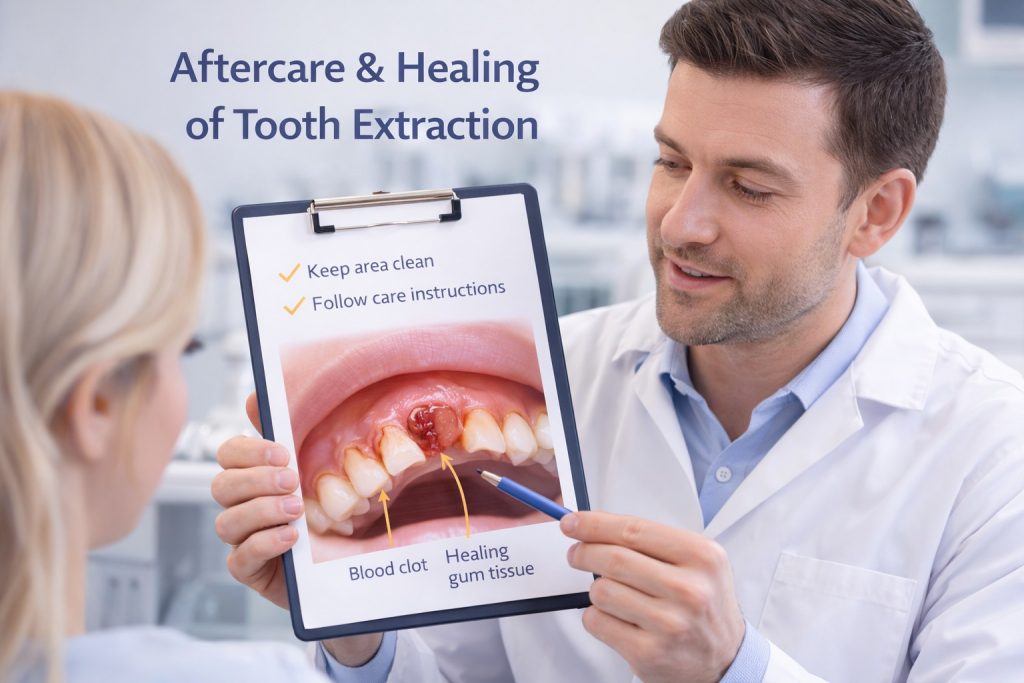

While complications are rare, you should reach out if you experience:
- Persistent or increasing pain
- Heavy bleeding
- Fever or signs of infection
- A bad taste or smell that doesn’t improve
- Pain that worsens 3–4 days after extraction (possible dry socket)
We are always here to support you through every stage of healing.
Why patients trust us for extractions
We take a conservative approach, removing teeth only when all other options have been explored. Our team uses advanced imaging, gentle surgical methods, and a patient-centered mindset to make the experience as stress-free as possible. Whether you need a simple removal or a more complex surgical case, you can count on us for attentive care and predictable results.