
Dental cleaning
There is a distinct feeling you get right after leaving our office. Your teeth feel lighter, smoother, and incredibly clean. While most of us enjoy that fresh-from-the-chair sensation, the actual appointment can be a source of anxiety for many. Others might wonder if it is even necessary. After all, if you brush and floss at home, isn’t that enough?
The reality is that even the most dedicated brusher cannot replicate what a hygienist does. Professional dental cleanings are the first line of defense against gum disease and tooth loss, not just a cosmetic procedure. It can help reduce anxiety and emphasize why these biannual appointments are essential for your health if you know exactly what happens while you are in the chair.
Why Brushing Isn't Enough
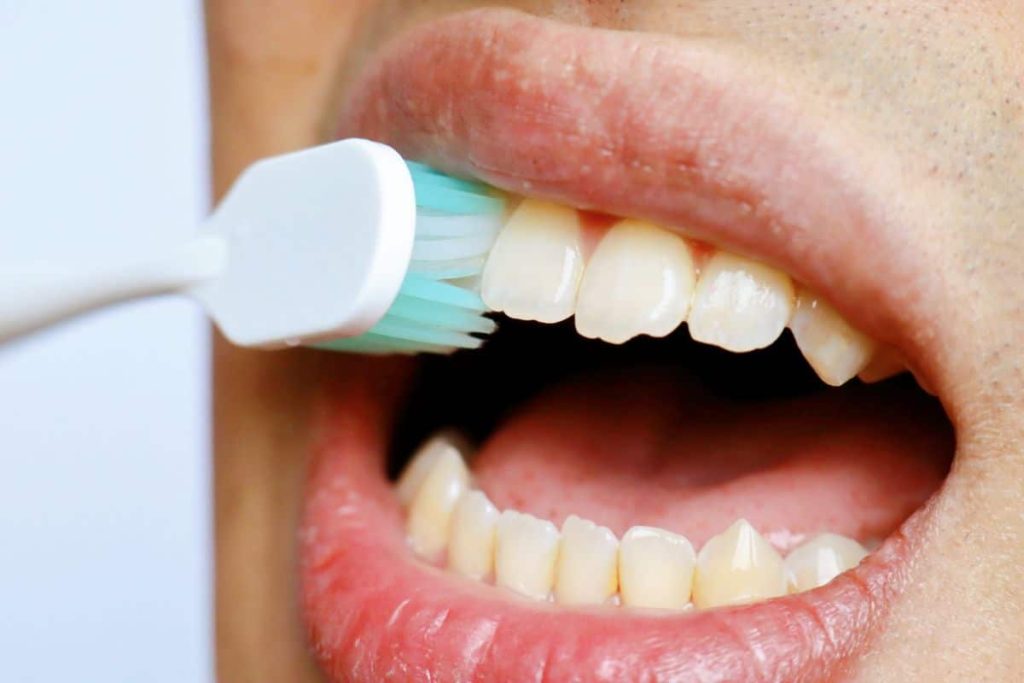
To understand the value of a professional cleaning, you first need to understand the enemy: plaque and tartar. Plaque is a soft, sticky film of bacteria that constantly forms on your teeth. Regular brushing and flossing effectively remove most plaque.
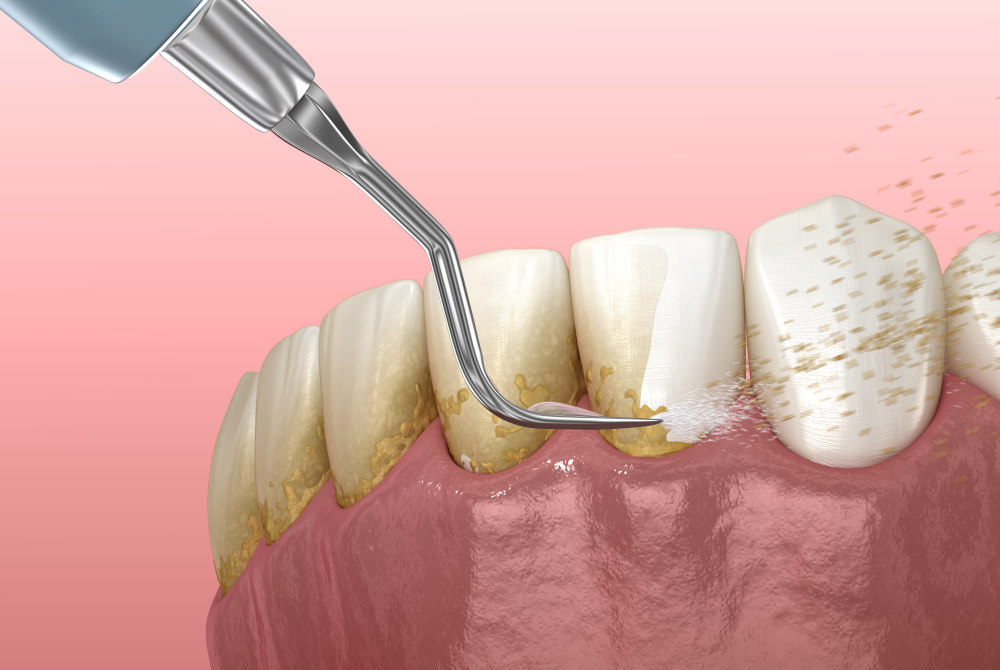
However, if plaque is left behind—even in tiny, hard-to-reach areas—it hardens into calculus, commonly known as tartar. Tartar is calcified and extremely tough. Once it bonds to your enamel, no amount of brushing will remove it. Only a dental professional with specialized tools can scrape it away. If left untreated, tartar buildup leads to gum inflammation (gingivitis) and eventually gum disease (periodontitis).
The Process: Step-by-Step
If it has been a while since your last visit, or if the sounds of the dental office make you nervous, knowing the breakdown of the procedure can be comforting. A standard prophylaxis (preventive cleaning) usually follows these four main steps.
1. The Physical Exam
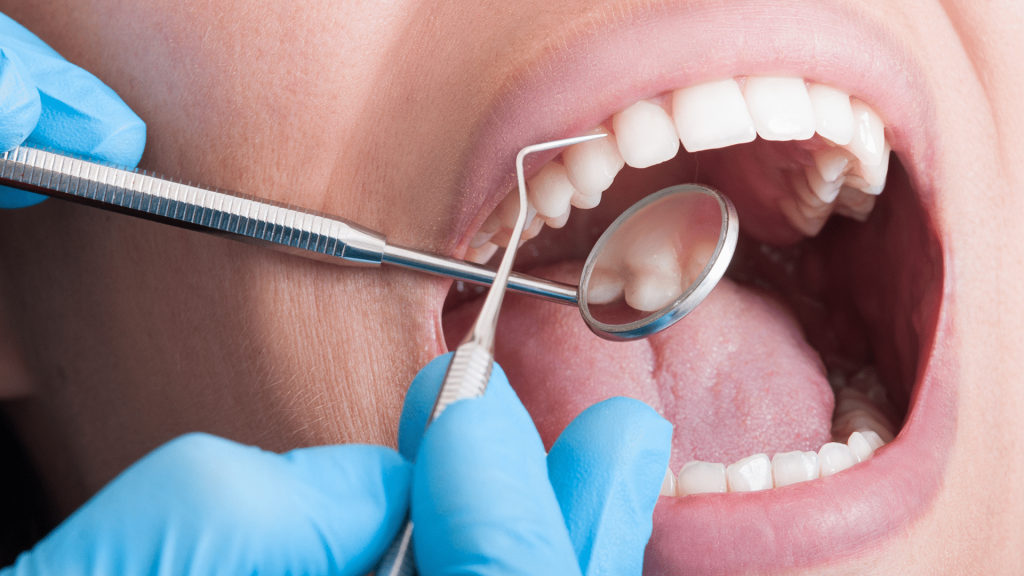
Before any cleaning tools touch your teeth, our dental hygienist uses a small mirror to inspect your entire mouth. They are looking for signs of inflamed gums (gingivitis), potential cavities, or other oral health concerns.
2. Removal of Plaque and Tartar (Scaling)
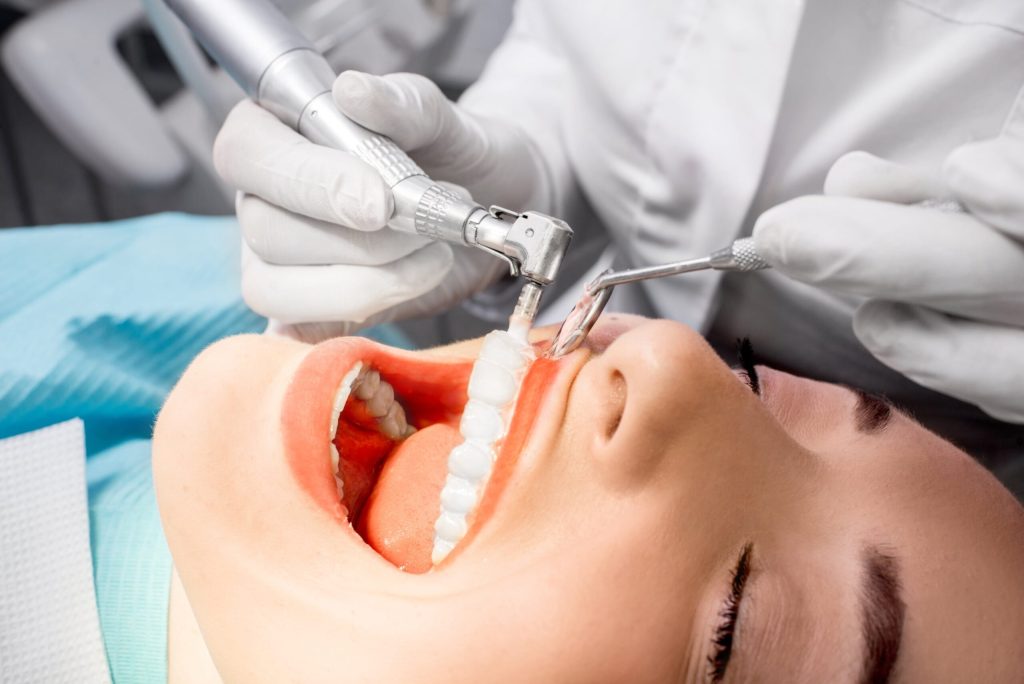
This is the part of the cleaning most people dread, but it is the most critical. Using a small tool called a scaler, the hygienist removes plaque and tartar from around your gum line and between your teeth.
You will hear a scraping sound during this step. This is normal. The more tartar there is, the more time they will need to scrape a particular spot. This highlights why regular brushing and flossing are so important—they stop plaque from hardening into tartar, making this step of the cleaning much faster and more comfortable.
3. Gritty Toothpaste Cleaning
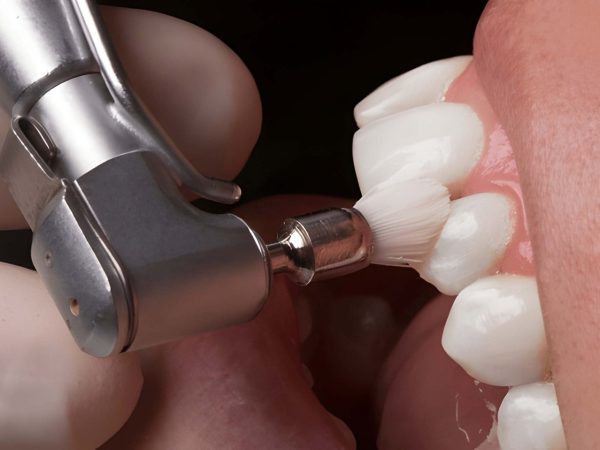
Once your teeth are completely tartar-free, the hygienist brushes them with a high-powered electric brush. You might notice the loud whirring noise. They use a special prophylaxis paste that tastes like regular toothpaste but has a gritty consistency.
This grit gently scrubs your teeth, removing any residual plaque and buffing away surface stains from coffee, tea, or food. It leaves your teeth feeling polished and smooth. You shouldn’t try to use harsh, gritty pastes at home, as overuse can wear down your enamel.
4. Expert Flossing
Even if you floss religiously at home, having a professional do it is beneficial. They can get deep between your teeth and locate any potential trouble spots where your gums might bleed. This step also removes any leftover polishing paste. Following this, you usually rinse out your mouth to wash away any debris.

When to Book Your Next Appointment
For most patients, we recommend a professional cleaning every six months. This timeframe is usually sufficient to catch tartar buildup before it causes significant gum inflammation. However, a different schedule might be suggested based on your specific oral health needs.
If you have a history of gum disease or are prone to heavy tartar buildup, you might need to visit every three to four months. Conversely, those with exceptional oral hygiene and no history of cavities or gum issues might stick strictly to the biannual schedule.
Invest in Your Long-Term Health
It is easy to put off scheduling a dental cleaning, especially when life gets busy or money is tight. However, preventive care is almost always cheaper and less painful than reactive care. A simple cleaning now can prevent a root canal or gum surgery five years down the road.
By removing the bacteria and tartar that your toothbrush can’t reach, you aren’t just keeping your smile bright—you are protecting the foundation of your oral health.

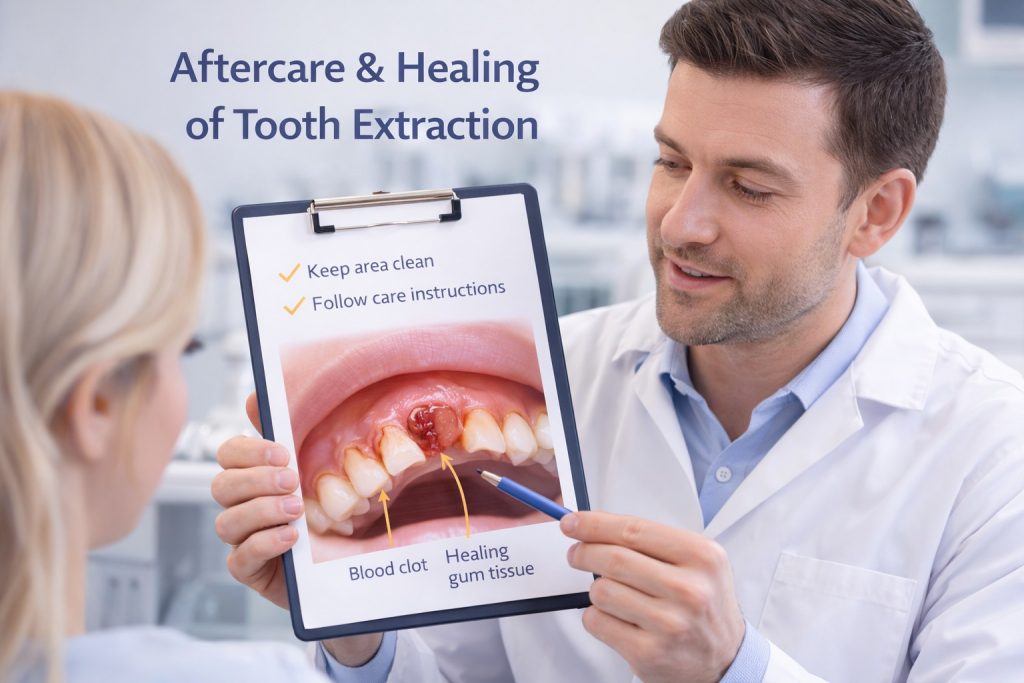
Aftercare and healing
A smooth recovery begins with proper home care. Most patients experience minor swelling or soreness that improves quickly. We typically recommend:
- Applying ice packs during the first 24 hours
- Eating soft foods and avoiding hot or spicy meals initially
- Keeping the mouth clean but avoiding vigorous rinsing
- Taking medications exactly as prescribed
- Replacing gauze as instructed
- Most people return to normal activities within a day or two, though healing inside the socket continues for several weeks.

While complications are rare, you should reach out if you experience:
- Persistent or increasing pain
- Heavy bleeding
- Fever or signs of infection
- A bad taste or smell that doesn’t improve
- Pain that worsens 3–4 days after extraction (possible dry socket)
We are always here to support you through every stage of healing.
Why patients trust us for extractions
We take a conservative approach, removing teeth only when all other options have been explored. Our team uses advanced imaging, gentle surgical methods, and a patient-centered mindset to make the experience as stress-free as possible. Whether you need a simple removal or a more complex surgical case, you can count on us for attentive care and predictable results.