
Dental Bridge
Missing teeth can affect more than just your smile. They can change the alignment of your bite, change the shape of your face, and even impact your speech. If you are searching for a reliable solution to restore your smile, a dental bridge might be the answer.
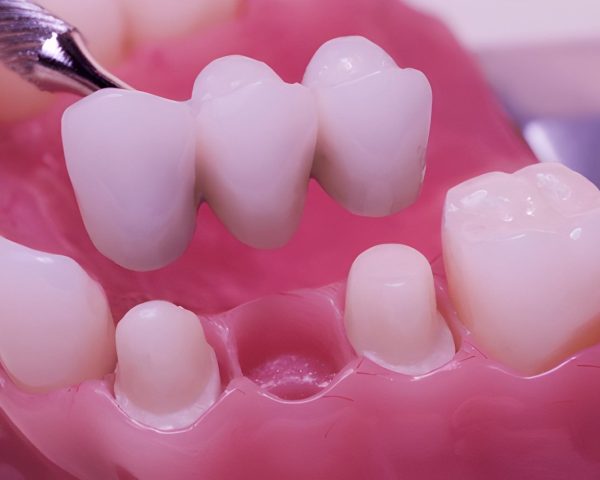
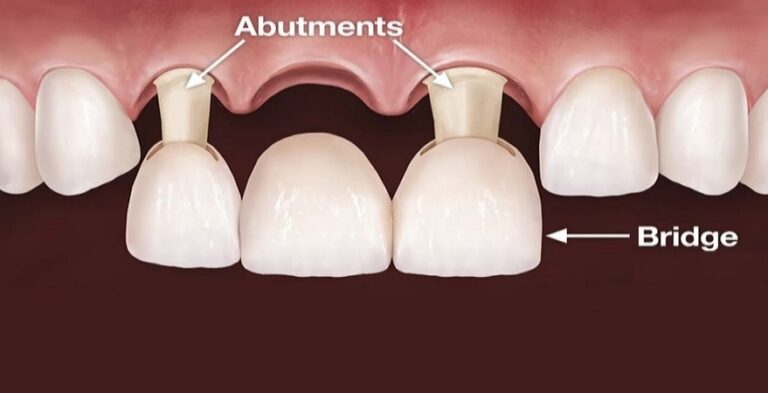
A dental bridge effectively “bridges” the gap created by one or more missing teeth. It is made up of two or more crowns for the teeth on either side of the gap—these two or more anchoring teeth are called abutment teeth—and a false tooth/teeth in between. These false teeth are called pontics and can be made from gold, alloys, porcelain, or a combination of these materials. Dental bridges are supported by natural teeth or implants.
Understanding your options is the first step toward regaining confidence in your smile. This guide will walk you through the different types of bridges, the procedure, and how to care for them so they last for years.
The Main Types of Dental Bridges
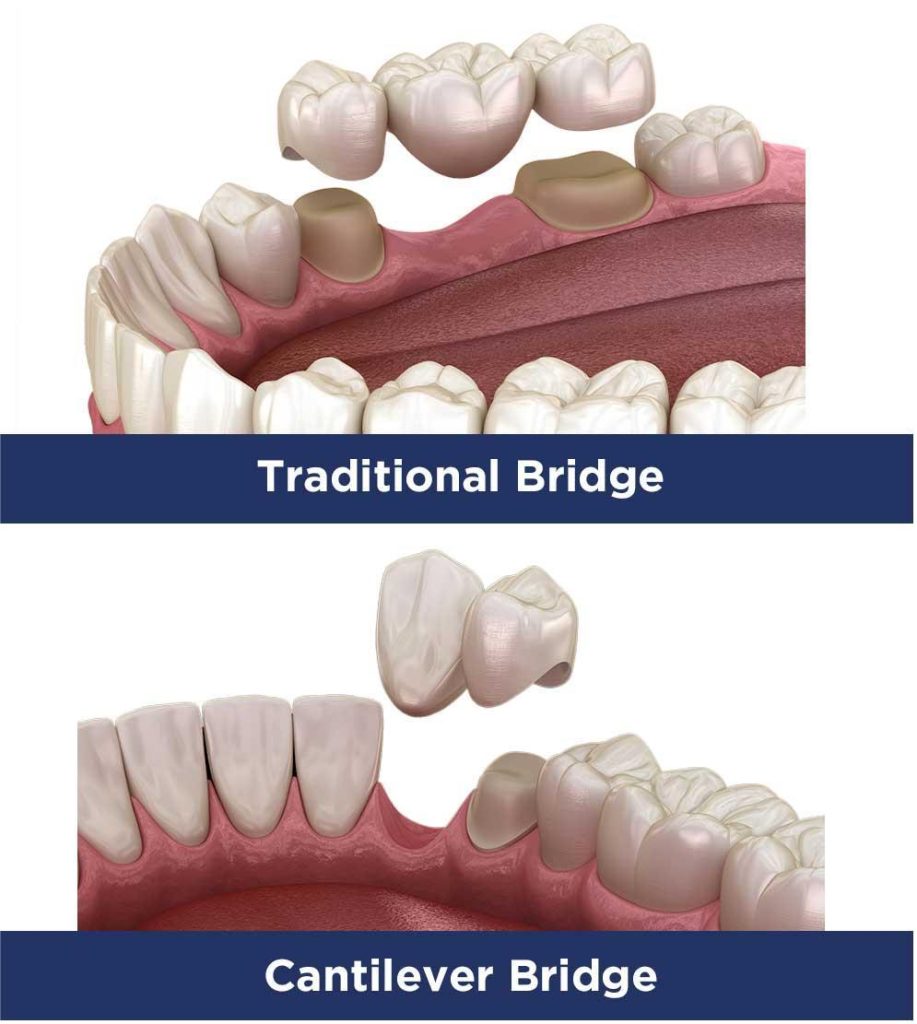
- Traditional Bridges: This is the most common type of bridge. It involves creating a crown for the tooth or implant on either side of the missing tooth, with a pontic in between. Traditional bridges are usually made of either porcelain fused to metal or ceramics.
- Cantilever Bridges: Cantilever bridges are used when there are adjacent teeth on only one side of the missing tooth or teeth. This is not very common anymore and is not recommended in the back of the mouth where it can put too much force on other teeth and damage them.
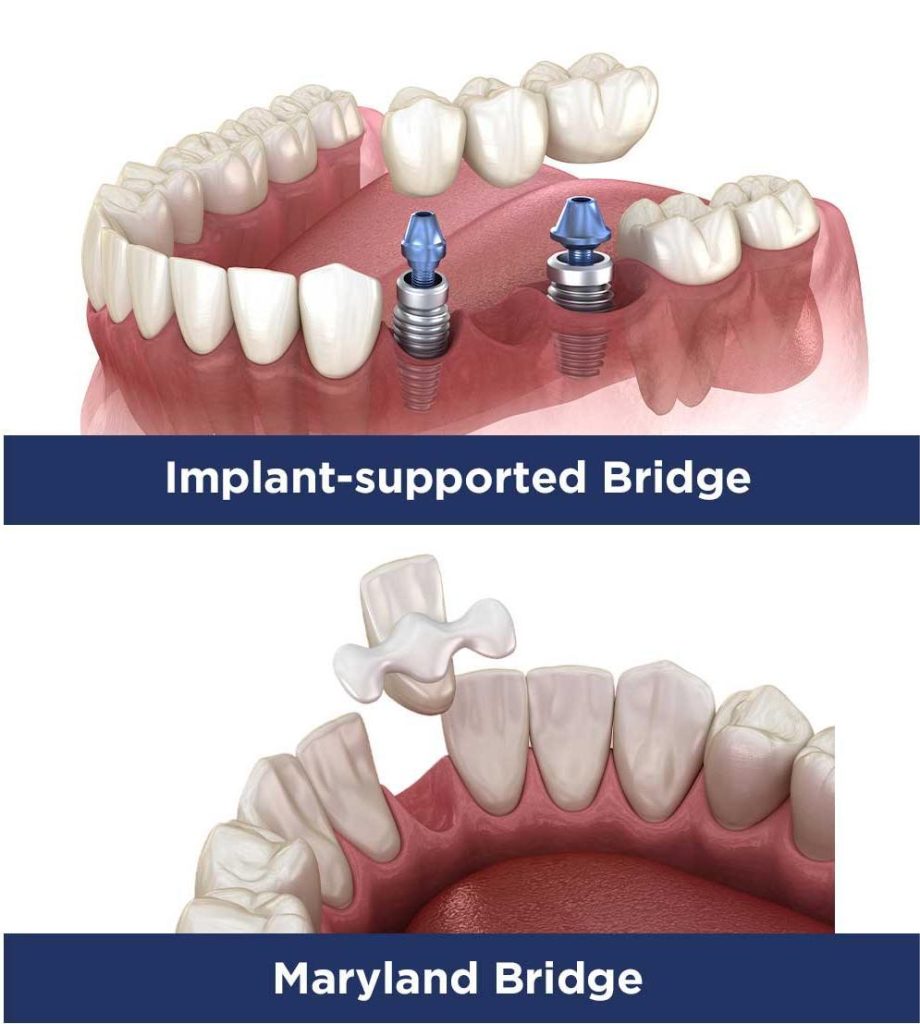
- Maryland Bonded Bridges: Also known as a resin-bonded bridge or a Maryland bridge, this type is made of porcelain, porcelain fused to metal, or plastic teeth supported by a metal or porcelain framework. Metal or porcelain wings on each side of the bridge are bonded to your existing teeth.
- Implant-Supported Bridges:Considered one of the strongest and most stable system, implant-supported bridges use dental implants as opposed to crowns or frameworks. Typically, one implant is surgically placed for every missing tooth, and these implants hold the bridge in place. If placing one implant for every missing tooth isn’t possible, the bridge may have a pontic suspended between two implant-supported crowns.
What to Expect During the Procedure
Getting a dental bridge typically requires two distinct visits.
First Visit: Preparation
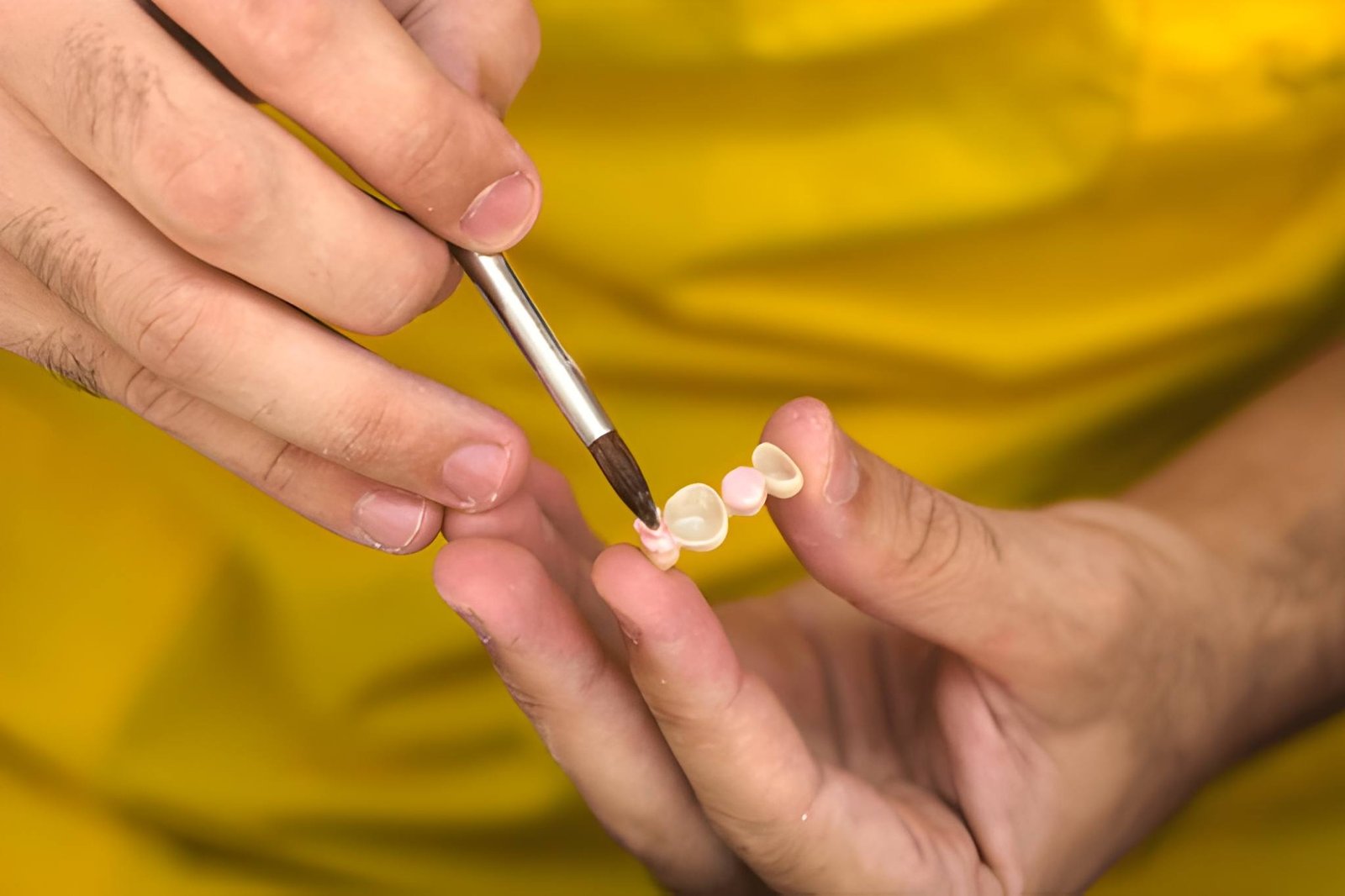
During the first visit, the abutment teeth are prepared. Preparation involves recontouring these teeth by removing a portion of enamel to allow room for a crown to be placed over them. Next, impressions of the teeth are made, which serve as a model from which the bridge, pontic, and crowns will be made by a dental laboratory. A temporary bridge is also made to protect the exposed teeth and gums while the bridge is being created.
Second Visit: Placement
During the second visit, your temporary bridge will be removed, and the new permanent bridge will be checked and adjusted, as needed, to achieve a proper fit. Multiple visits may be required to check the fit of the metal framework and bite. This depends on each individual’s case. If the dental bridge is a fixed (permanent) bridge, it may be temporarily cemented in place for a couple of weeks to make sure it fits properly. After a couple of weeks, the bridge is permanently cemented into place.
Caring for Your Bridge
The success of the bridge depends on the solid foundation offered by the surrounding teeth. Therefore, it’s very important to keep your remaining teeth healthy and strong.
- Brush and Floss Daily: Clean the bridge and the adjacent teeth everyday to prevent tooth decay and gum disease. Special floss threaders can help you slide floss under the bridge.
- Watch Your Diet: Avoid chewing on hard foods like ice or hard candy, which can damage the bridge.
Regular Check-ups: You need to be regular for professional cleanings and exams.
Aftercare and healing
A smooth recovery begins with proper home care. Most patients experience minor swelling or soreness that improves quickly. We typically recommend:
- Applying ice packs during the first 24 hours
- Eating soft foods and avoiding hot or spicy meals initially
- Keeping the mouth clean but avoiding vigorous rinsing
- Taking medications exactly as prescribed
- Replacing gauze as instructed
- Most people return to normal activities within a day or two, though healing inside the socket continues for several weeks.


While complications are rare, you should reach out if you experience:
- Persistent or increasing pain
- Heavy bleeding
- Fever or signs of infection
- A bad taste or smell that doesn’t improve
- Pain that worsens 3–4 days after extraction (possible dry socket)
We are always here to support you through every stage of healing.
Why patients trust us for extractions
We take a conservative approach, removing teeth only when all other options have been explored. Our team uses advanced imaging, gentle surgical methods, and a patient-centered mindset to make the experience as stress-free as possible. Whether you need a simple removal or a more complex surgical case, you can count on us for attentive care and predictable results.