
Sedation Dentistry
Some people completely avoid dental checkups due to the sounds of the drill, unfamiliar surroundings, and fear of discomfort.
You’re not alone. Fortunately, with sedation dentistry, you can receive the care you need without stress or fear.
Understanding Sedation Dentistry
Sedation dentistry uses medication to help patients relax during dental procedures. It’s sometimes also known as “sleep dentistry,” but that’s not totally correct. Most patients remain awake during the procedure, except for those under general anesthesia. The main purpose is to create a state of deep relaxation and ease anxiety.
This method enables people with dental phobias or severe anxiety to undergo routine cleanings as well as more complex procedures like root canals or extractions. It can save your time and money, by allowing dentists to perform multiple or lengthy procedures in a single visit.
Types of Sedation in Dentistry
There are several levels of sedation available, and the type used depends on your level of anxiety and overall health.
Minimal Sedation: Nitrous Oxide
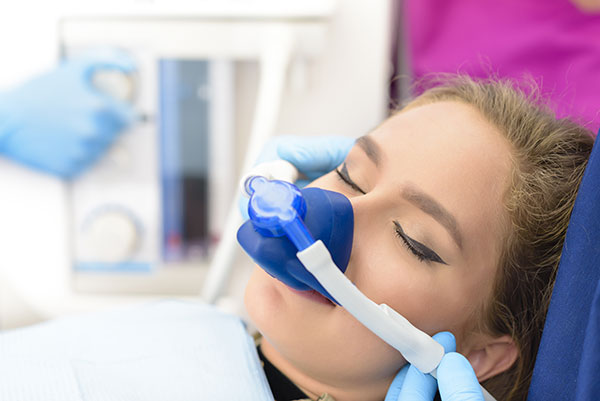
It is commonly known as “laughing gas.” Nitrous oxide is a mild sedative that you inhale through a mask placed over your nose. It helps you relax while remaining fully conscious and able to communicate. The effects wear off quickly once the mask is removed, allowing you to go home after the procedure. This is a great option for people with mild anxiety.
Moderate Sedation: Oral Conscious Sedation
Your dentist may recommend an oral sedative for a deeper state of relaxation. This usually involves taking a pill, such as Halcion or Valium, about an hour before your appointment. After taking the medication, you may feel sleepy and remember little of the procedure, even though you remain awake. Because the effects take longer to wear off, you will need someone to drive you to and from your appointment.
Who Can Benefit from Sedation Dentistry?
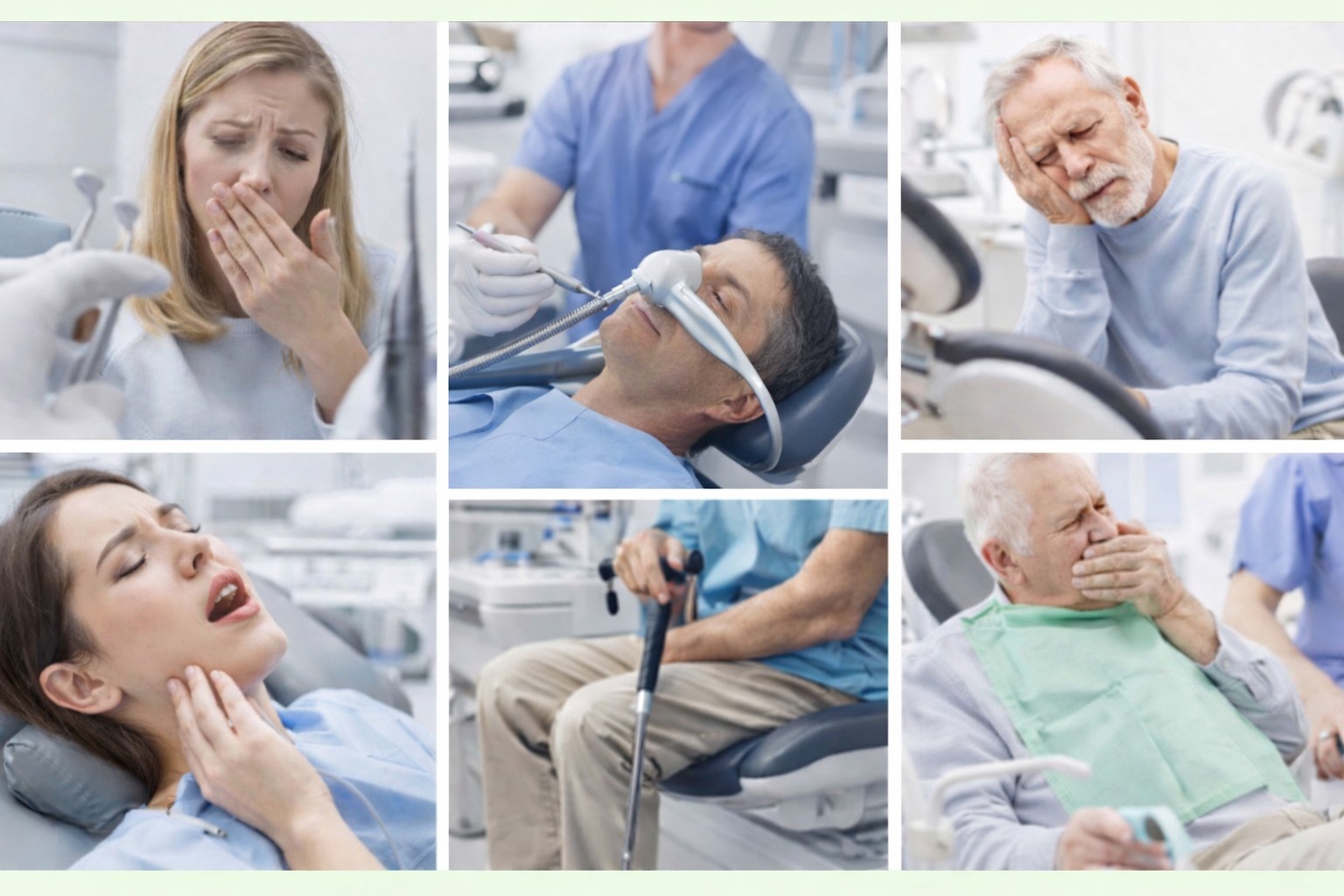
Sedation dentistry isn’t only for people with extreme dental phobia. It can also be helpful for other patients, including:
- People with severe dental anxiety or phobia.
- Individuals with a low pain threshold.
- Patients with very sensitive teeth or a strong gag reflex.
- Those who need extensive or multiple dental procedures completed in one visit.
- People who have difficulty sitting still in the dentist’s chair.
- Patients with physical limitations, such as neck or back problems.
Your medical history will be reviewed before sedation is recommended. It’s important to be open about any medications you’re taking and any health conditions you have.
Take the Next Step Towards Comfortable Dental Care
Don’t let fear stand in the way of maintaining a healthy smile. Sedation dentistry is a safe and effective way to manage anxiety and receive the dental care you need.
If you’ve been delaying a dental visit due to anxiety, schedule an appointment today. This visit will help determine whether sedation dentistry is the right choice for you and guide you toward a stress-free experience.