
Bone Graft / PRP / PRF
Bone grafting, PRP, and PRF are some of the most valuable supportive procedures in modern oral surgery. They play a major role in rebuilding lost bone, improving healing, and preparing the mouth for long-term treatments such as dental implants. For patients with weak or insufficient jawbone structure—or anyone who wants faster, smoother healing—these procedures offer safe, predictable, and highly effective solutions.
Understanding Bone Grafting
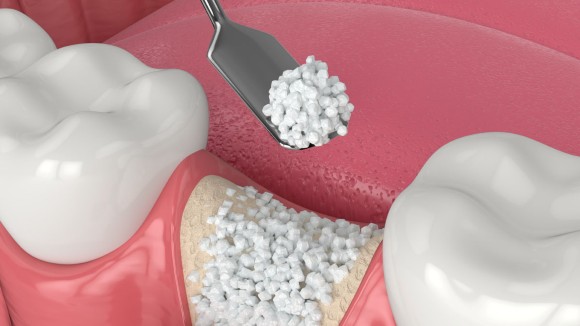
Bone grafting is a process where new bone material is added to an area of the jaw that has thinned, weakened, or shrunk over time. Tooth loss, infection, gum disease, trauma, and even natural aging can cause the jawbone to deteriorate. When this happens, it becomes difficult to support dental implants or maintain facial structure.
A bone graft rebuilds what has been lost so the jaw can regain strength, stability, and fullness.
Why Bone Grafts Are Needed
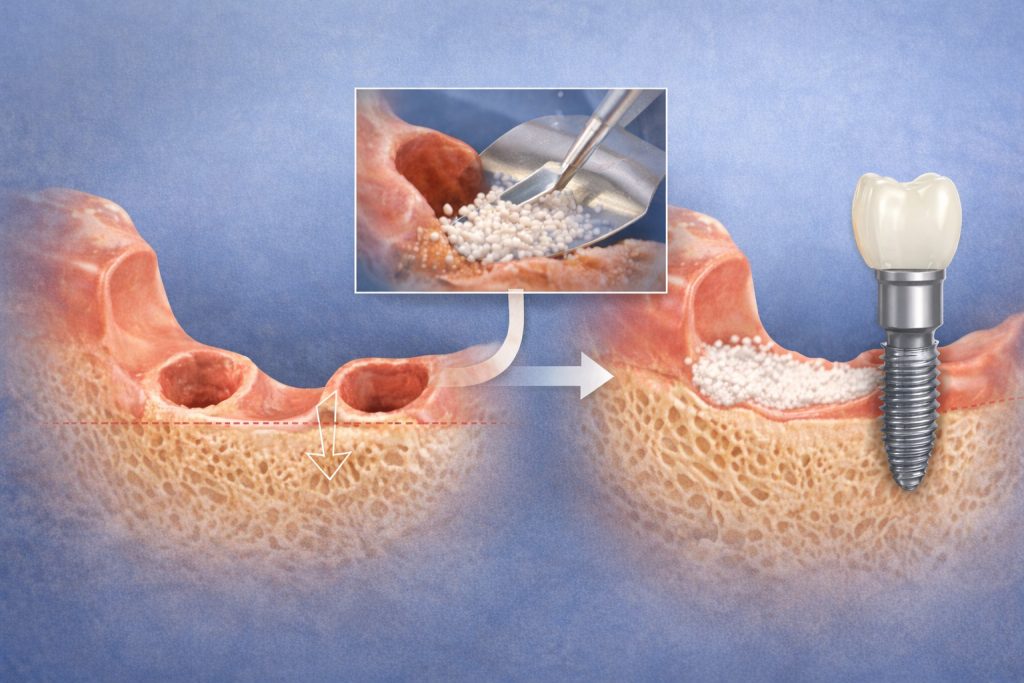
Bone grafts are commonly recommended when:
- A tooth has been missing for a long time
- The socket has broken down after an extraction
- Gum disease has caused bone loss
- An implant site needs more support
- A sinus lift is required in the upper jaw
- Facial or jaw trauma has affected the bone
- Bone density has naturally reduced over time
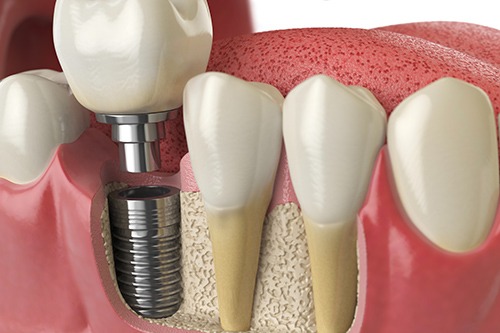
Without enough bone, implants may not stay secure. Bone grafting ensures a strong foundation so the final restoration is both durable and long-lasting.
- A tooth has been missing for a long time
Types of Bone Grafts
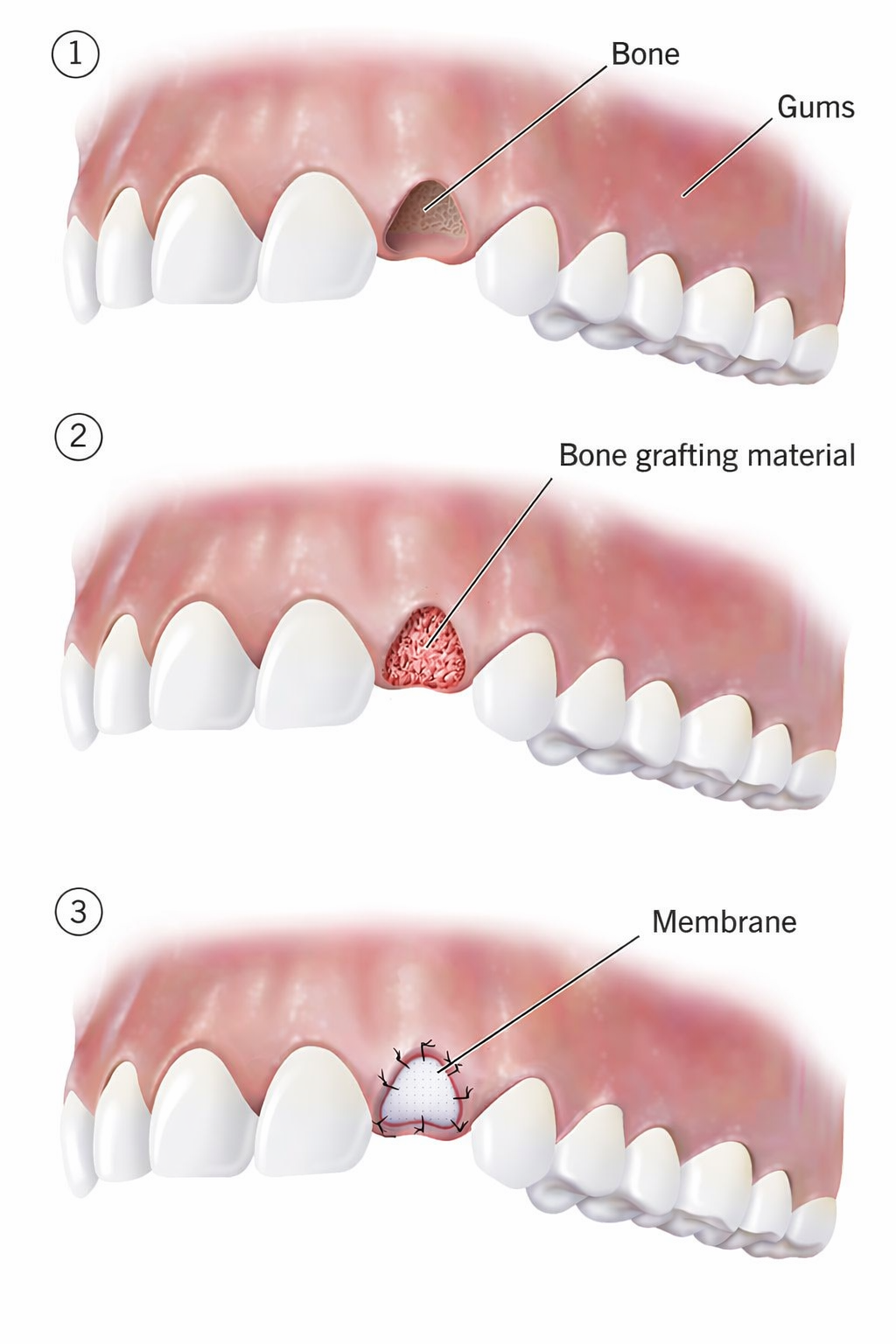
Several types of graft materials are used depending on the patient’s needs. All are safe and biocompatible.
Autograft
Bone taken from the patient, usually from another area of the jaw. This type integrates extremely well.
Allograft
Donor bone material that has been medically processed, sterilized, and made safe for grafting.
Xenograft
Bone from another biological source, typically bovine, used for structural support.
Alloplast
Synthetic bone materials designed to mimic natural bone structure.
Each option is chosen based on the procedure, anatomy, and the amount of bone needed.
How Bone Grafting Works
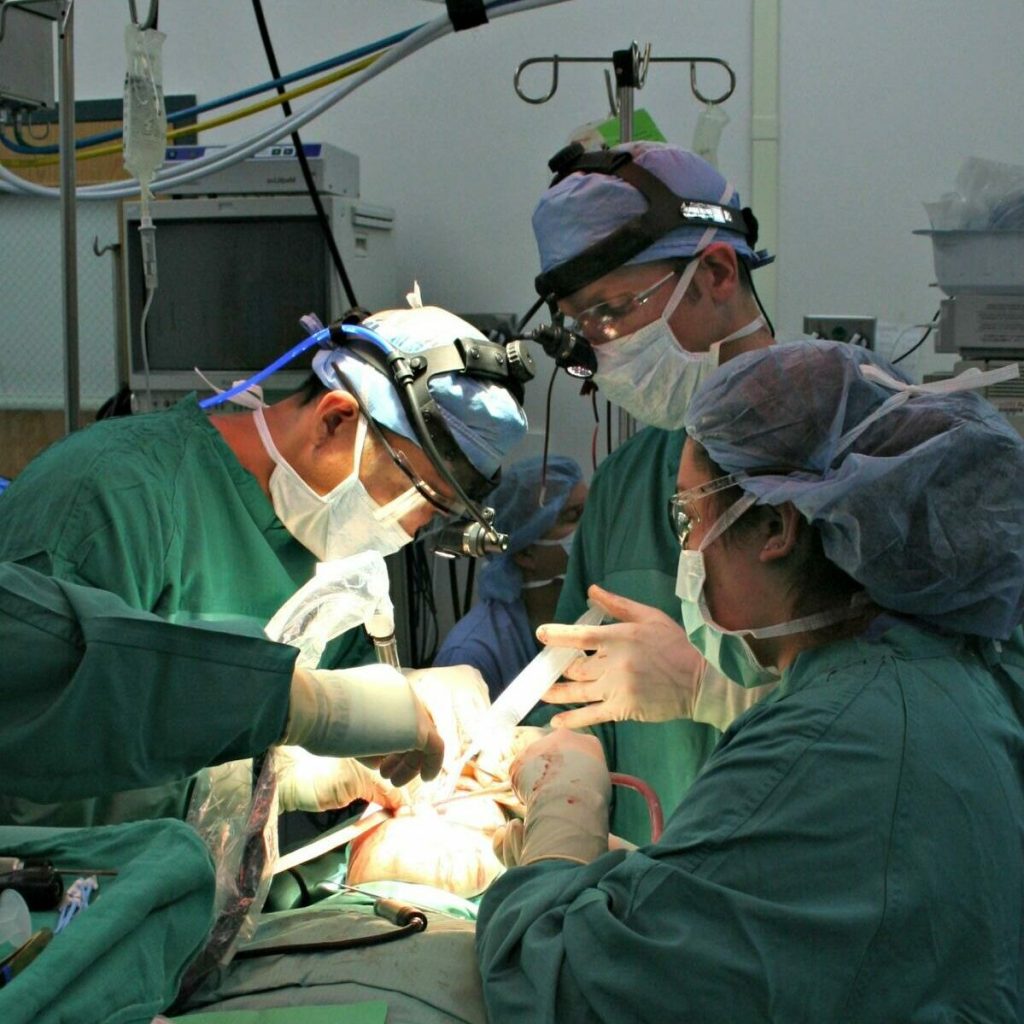
After numbing the area, the surgeon places the bone material where it is needed and secures it. In some cases, a protective membrane is placed over the graft to guide healing. Over the next few months, the graft blends with your natural bone, creating a strong, stable ridge.
This process is known as osseous regeneration—the body’s natural ability to rebuild bone when given proper support.
PRP and PRF: Enhancing Natural Healing
While bone grafting restores structure, PRP (Platelet-Rich Plasma) and PRF (Platelet-Rich Fibrin) focus on speeding up healing and improving tissue quality. Both are created from a small sample of your own blood, making them safe, natural, and extremely effective.
What Is PRP?
PRP is a concentrated form of your blood’s platelets. Platelets are rich in growth factors—the proteins responsible for healing wounds, forming new tissue, and boosting immune response.
When PRP is applied to a surgical area, it:
- Accelerates healing
- Reduces inflammation
- Helps form new blood vessels
- Supports stronger tissue regeneration
PRP is especially helpful after tooth extractions, bone grafts, implant placement, and gum surgery.

What Is PRF?
PRF is an advanced form of platelet therapy. It creates a fibrin-rich matrix that slowly releases healing factors over time. Unlike PRP, PRF requires no additives or anticoagulants, making it one of the most natural regenerative options available.
Benefits of PRF include:
- Faster healing after oral surgery
- Reduced swelling and discomfort
- Better bone and soft tissue formation
- Improved integration of dental implants
- Stronger gum tissue response
Because PRF works over a longer period, it provides ongoing support to the surgical site as it heals.
Using Bone Grafts, PRP, and PRF Together
Many patients benefit most when these treatments are combined. For example:
- Bone graft + PRF → faster bone regeneration
- Implant placement + PRP → improved healing around the implant
- Extraction + PRF → smoother recovery and better socket preservation
This combination helps ensure not just a successful surgery, but also smoother healing and long-term stability.
What to Expect After Treatment
Recovery varies depending on the size of the graft and the type of procedure performed. Most patients experience mild swelling or tenderness for a few days. PRP and PRF can significantly reduce healing time, which is why many patients choose them.
Following the recommended aftercare—such as avoiding smoking, maintaining oral hygiene, and taking prescribed medications—helps ensure predictable healing and long-term success.
Building a Strong Foundation for the Future
Bone grafting, PRP, and PRF are essential tools for rebuilding lost bone, improving surgical outcomes, and preparing your mouth for advanced procedures like dental implants. By restoring strength to the jaw and enhancing the body’s healing ability, these treatments help create a healthier, more stable oral foundation.
Whether you are planning implants or simply want to strengthen weakened bones, these techniques offer a safe and effective way to support long-term dental health.