
Alveoloplasty
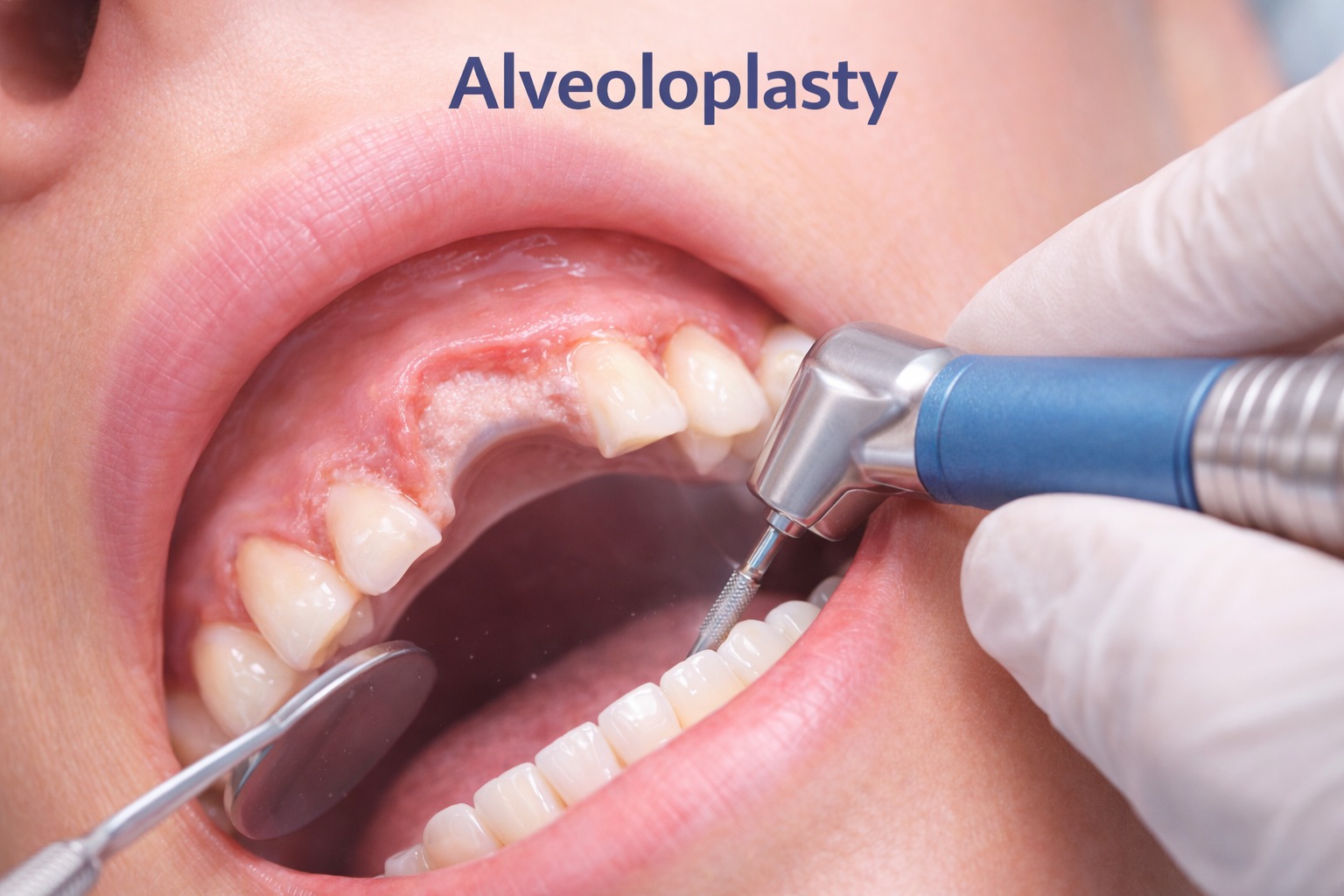
Alveoloplasty is a procedure many patients are unfamiliar with until a dentist recommends it. It involves reshaping and smoothing of the jawbone. This step plays a major role in the comfort, stability, and success of future dental treatments such as dentures, implants, or even multiple extractions. When performed at the right time, alveoloplasty helps create a healthier, more functional foundation for the mouth.
Why alveoloplasty is needed
When a tooth is removed, the bone that once supported it begins to change shape. Sometimes the bone heals with sharp ridges, uneven contours, or irregularities that can cause discomfort or make it difficult to place restorations. Alveoloplasty improves these areas by gently reshaping the ridge to make it smooth and even.
You may be advised to undergo alveoloplasty if:
- You are preparing for full or partial dentures
- You have rough or sharp bone edges after extractions
- Multiple teeth are being removed at once
- Your bone ridge is too uneven to support future treatment
- You experience recurring irritation from bony projections under the gums
- A dental implant requires a more stable contour
Reshaping the bone allows the gums to heal beautifully and provides a stable, comfortable surface for what comes next—especially dentures.

How the procedure works
Rinsing and closing the site with sutures to encourage proper healing.
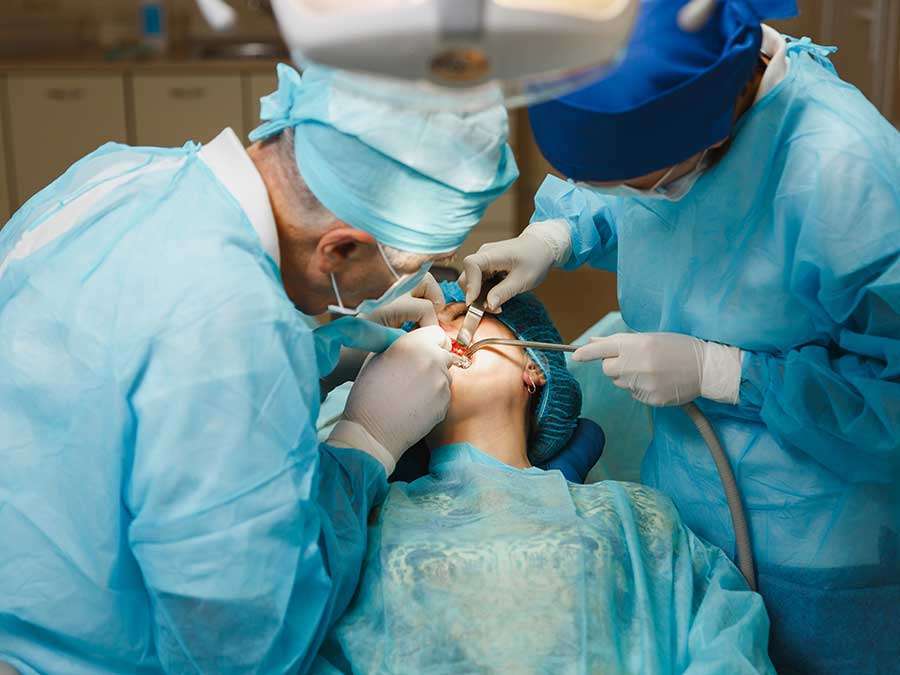
Alveoloplasty can be performed on its own or combined with tooth extraction. When done at the same time as extractions, it often reduces overall healing time and eliminates the need for a separate surgical visit
The procedure includes
- Numbing the area with local anesthesia so you remain comfortable throughout.
- Accessing the bone through a small incision when necessary.
- Smoothing and shaping the ridge to remove sharp edges or high points.
Benefits of alveoloplasty
Although patients may not always see the bone changes directly, they often notice the improvements these changes bring—especially when dentures or implants are involved. Some key benefits include:
- Better denture fit: Dentures rest on the gums, and well-shaped bone makes them more stable and comfortable.
- Reduced sore spots: Eliminating sharp edges help prevent pressure points and irritation.
- More predictable healing: A smooth ridge helps the gum tissue close evenly after extractions.
- Improved long-term success of implants: A properly contoured ridge enhances implant placement and stability.
- Enhanced appearance: Even gum contours support more natural-looking restorations.
For patients planning major restorative work, alveoloplasty can make a significant difference in the final outcome.
What to expect after the procedure
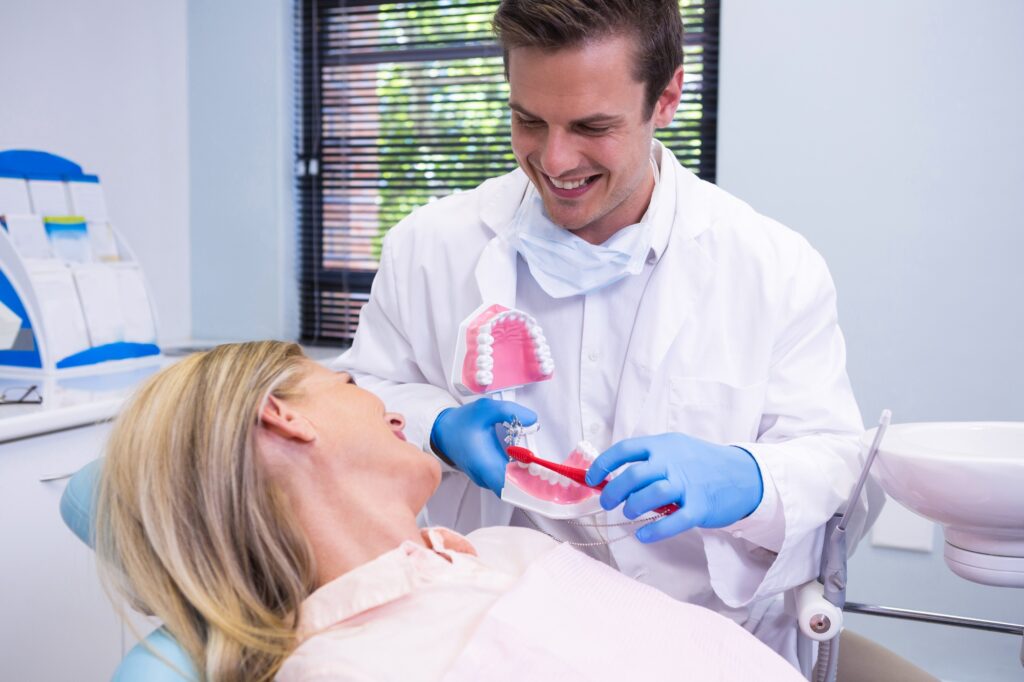
Recovery after alveoloplasty is generally smooth. Some swelling, mild discomfort, and tenderness are normal for the first few days. We provide detailed instructions to keep you comfortable and promote fast healing.
Typical aftercare recommendations include:
- Eating soft foods such as yogurt, soups, mashed vegetables, and smoothies
- Avoiding spicy, chewy, or crunchy foods for a few days
- Using prescribed or recommended medications as directed
- Rinsing gently with warm saltwater after 24 hours
- Avoiding smoking or alcohol, as they can slow healing
- Brushing gently around the area to avoid irritating the sutures
Most patients resume their normal routine within a day or two, and the gum tissue typically heals over the smoothed bone in a few weeks.
A procedure that supports long-term comfort
While alveoloplasty may seem like a minor step, it often plays a crucial role in the success of dentures, implants, and other restorative treatments. Our team takes a meticulous approach, sculpting the bone in a way that supports optimal healing and long-lasting comfort. By focusing on detail and patient care, we help ensure your mouth is fully prepared for the next phase of treatment.