
Cracked tooth
A sudden sharp pain when you bite down, or a new sensitivity to hot and cold, can be a sign of a cracked tooth. It’s a common dental problem for most people. Your cracked tooth can be effectively fixed, and it can relieve your discomfort.
We at our practice are aware of the anxiety that a dental accident can cause. Our goal is to restore the finest possible appearance of your smile by offering gentle, professional care.
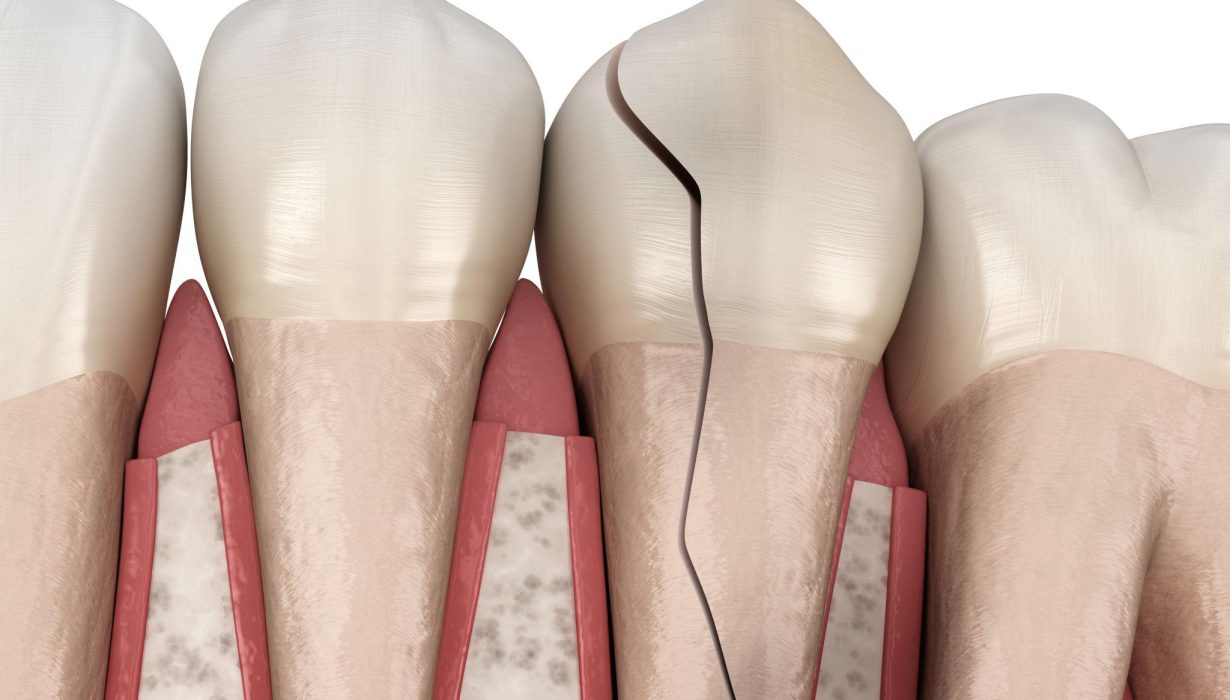
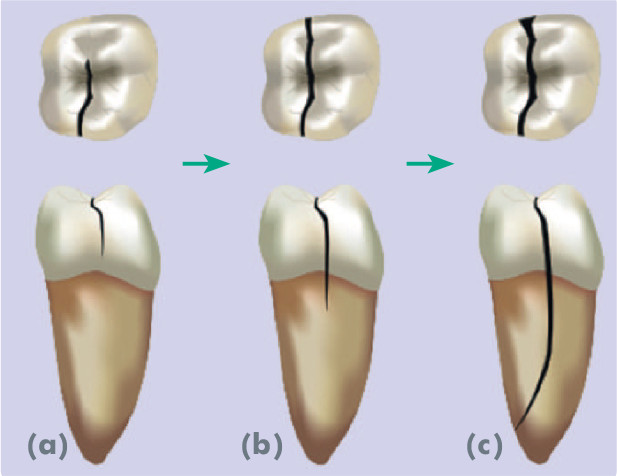
What Are the Signs of a Cracked Tooth?
A cracked tooth doesn’t always cause obvious symptoms. When they do occur, they can vary widely. You might be dealing with a cracked tooth if you experience:
- Pain that comes and goes, especially when chewing or biting.
- Sharp pain when you release your bite.
- Sensitivity to hot, cold, or sweet foods and drinks.
- Swelling of the gum around the affected tooth.
- Discomfort that is difficult to pinpoint to one specific tooth.
Because symptoms can be inconsistent, it’s easy to ignore them. However, seeking care quickly is the best way to prevent further damage.
Common Causes of Cracked Teeth
Our teeth are very strong, but they aren’t indestructible. A crack can develop for several reasons, including:
- Biting down on hard objects: Ice, hard candy, or even an unpopped popcorn kernel can be an example of this.
- Trauma or injury: A tooth can crack due to a fall, a sports injury, or any blow to the mouth
- Teeth grinding or clenching: This habit, known as bruxism. It puts a lot of pressure on your teeth over time.
- Large fillings: The structure of the tooth can be weakened by large fillings that increase the risk of cracking.
Sudden temperature changes: Eating something very hot and then drinking ice-cold water can also be one of the reasons.
Your Treatment Options for a Cracked Tooth
The right treatment depends on the size, location, and type of crack. To decide the best option to go forward, we will carefully examine your tooth. Whenever possible, saving your natural tooth is always our prime target.
Here are some of the most common treatments:
- Dental Bonding: A tooth-colored composite resin is used to fill the minor superficial crack and restore the tooth’s appearance and function.
- Dental Crown: A very common solution for cracked teeth is a dental crown. It is a specially designed cap that fits over the entire tooth and protects it from further damage and restores its strength and shape.
- Root Canal: You may need a root canal if the crack has spread to the pulp—the soft inner tissue of the tooth. During this process, the tooth’s interior is cleaned, the damaged pulp is removed, and it is sealed. To protect the tooth, a crown is typically placed afterward.
- Extraction: It might be difficult to save the tooth if the break is too deep and extends below the gum line. After discussing your choices for replacing the tooth, such as a bridge or dental implant, extraction will be performed.
Why You Shouldn't Wait to See a Dentist
If you don’t feel constant pain, a “wait and see” strategy might be appealing. However, even a small crack can create an opening for bacteria to enter the inner layers of your tooth, which may lead to infection and more complex problems.
Early treatment is key to:
- Preventing the crack from getting worse.
- Avoiding infection and more extensive procedures.
- Relieving pain and discomfort.
- Saving your natural tooth.

Gentle, Compassionate Care for Your Smile
Do not hesitate to get in touch with us if you think you may have a cracked tooth. We will listen to your concerns and create a personalized treatment after diagnosing the problem. Our top priority is your comfort.
Schedule an appointment today – we will help you find relief and restore your healthy, confident smile.