
Tooth Extractions
Tooth extraction is a procedure most people want to avoid, but there are times when removing a damaged or infected tooth is the only option. Modern dentistry has made extractions far more comfortable and predictable than they used to be. At Beyond Smiles Dental, our focus is on gentle techniques and a calm patient experience so you can feel confident at every step.

When is a tooth extraction needed?
A tooth may need to be removed when it can no longer be restored or when keeping it could affect surrounding teeth or your overall health. Some of the most common reasons include:
- Severe decay or infection: When decay reaches deep into the tooth and compromises the nerve or surrounding bone.
- Fractures: A cracked tooth below the gumline often cannot be saved.
- Advanced gum disease: Periodontal disease can loosen the bone and supporting tissues.
- Impacted teeth: Such as wisdom teeth that do not have enough space to erupt.
- Overcrowding: Sometimes needed before orthodontic treatment.
- Trauma: When an injury damages the tooth beyond repair.

Preparation for dentures or implants.
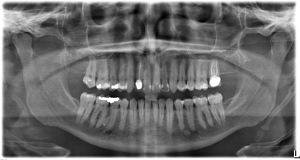
Before recommending an extraction, we thoroughly evaluate the tooth using X-rays, photographs, and a clinical exam. We only extract teeth when it is necessary.
Types of extractions:
Depending on the condition of the tooth, your extraction will be either:
Simple Extraction
A simple extraction is performed when the tooth is fully erupted and visible in the mouth. After numbing the area, the tooth is gently loosened and removed with minimal discomfort. These procedures are typically quick.
Surgical Extraction
Surgical extractions are needed for teeth that are broken, impacted, or difficult to access. This may involve making a small incision in the gums or removing a small amount of bone. Wisdom tooth removal is one of the most common types of surgical extraction.
What to expect during the procedure
Our First priority is the comfort of the patient. We begin by ensuring the area is completely numb. Sedation options are also available for patients who feel anxious.
During the extraction, we use precise, minimally invasive techniques to reduce trauma to surrounding tissues. Once the tooth is removed, we clean the area thoroughly and place sutures if needed. We explain everything you need to know for the healing period.
Aftercare and healing
A smooth recovery begins with proper home care. Most patients experience minor swelling or soreness that improves quickly. We typically recommend:
- Applying ice packs during the first 24 hours
- Eating soft foods and avoiding hot or spicy meals initially
- Keeping the mouth clean but avoiding vigorous rinsing
- Taking medications exactly as prescribed
- Replacing gauze as instructed
- Most people return to normal activities within a day or two, though healing inside the socket continues for several weeks.


While complications are rare, you should reach out if you experience:
- Persistent or increasing pain
- Heavy bleeding
- Fever or signs of infection
- A bad taste or smell that doesn’t improve
- Pain that worsens 3–4 days after extraction (possible dry socket)
We are always here to support you through every stage of healing.
Why patients trust us for extractions
We take a conservative approach, removing teeth only when all other options have been explored. Our team uses advanced imaging, gentle surgical methods, and a patient-centered mindset to make the experience as stress-free as possible. Whether you need a simple removal or a more complex surgical case, you can count on us for attentive care and predictable results.